

Your Homesteading Journey Starts Here
At Landstruck, we know that homesteading starts with the right piece of land. Whether you dream of raising chickens, growing your own food, or simply living a little more self-sufficiently, our owner-financed properties in Tennessee offer the space and freedom to make it happen. Many of our parcels have wooded areas, open clearings, and even water sources—perfect for gardens, coops, and everything in between.
If you’ve been waiting for the “right time” to start, consider this your sign. The land is ready. All it needs is your vision.
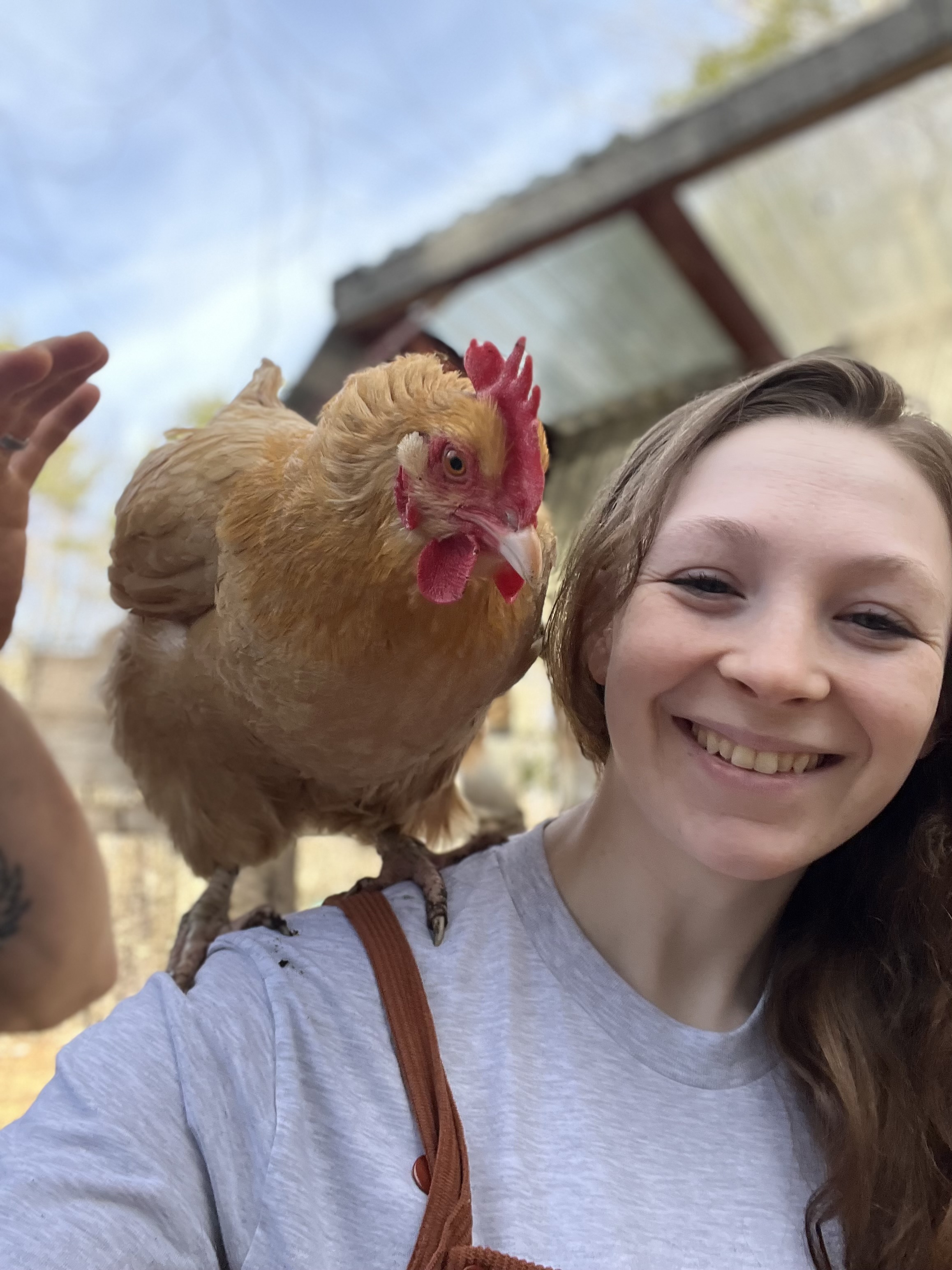
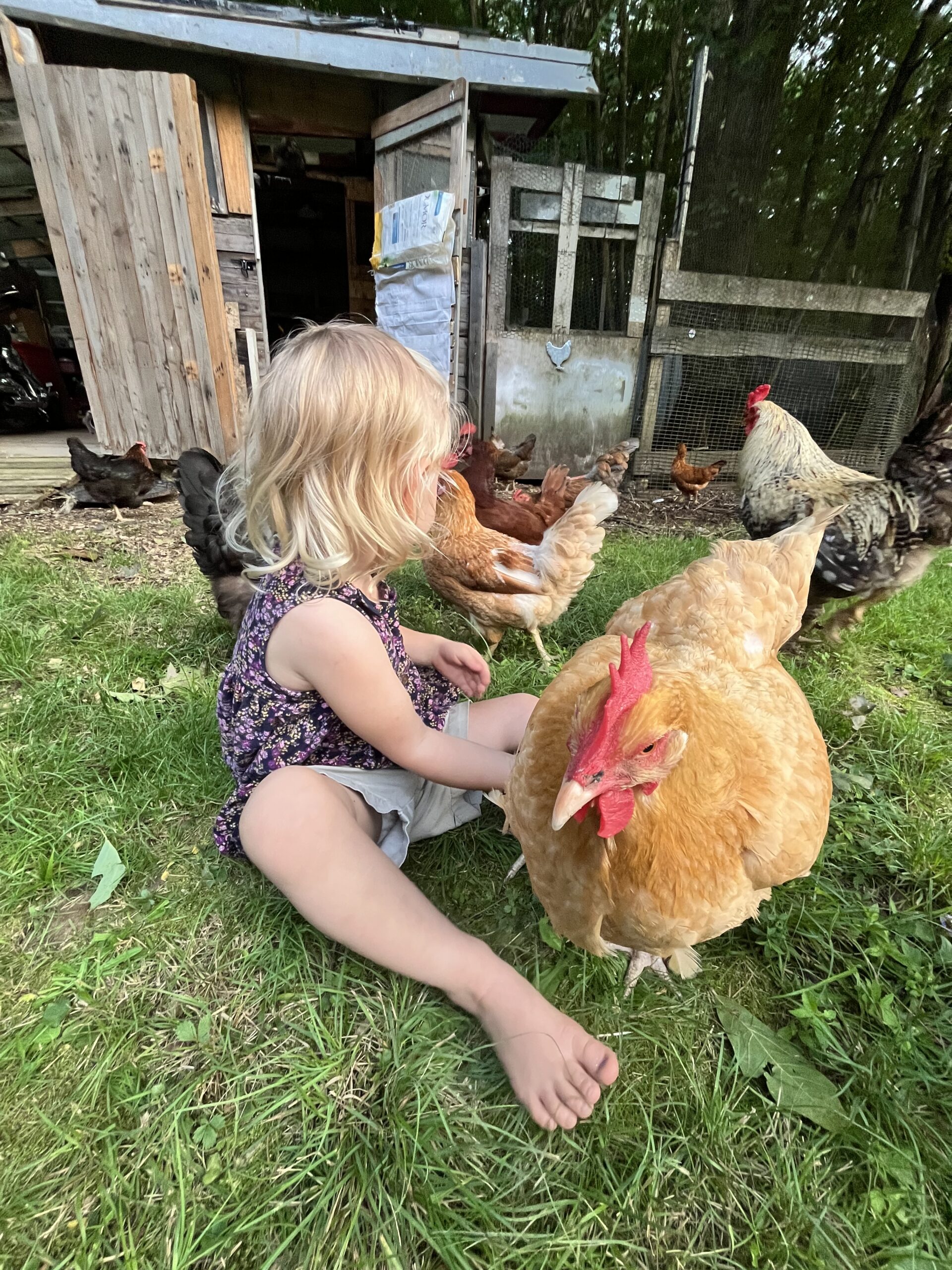
One of the most rewarding parts of homesteading is finding creative, budget-friendly ways to get things done. When you’re living off the land, resourcefulness isn’t just a money-saver—it’s part of the fun. Recycling and repurposing materials not only keeps waste out of landfills but also gives your homestead a unique, personal touch.
Take our raised garden beds, for example. Instead of spending hundreds of dollars on lumber, we used what nature (and our property) provided. We rolled some fallen logs into place, spaced them about a foot apart, and layered the bottom with cardboard to create a barrier that holds moisture and breaks down over time. On top of that went scrap sticks, leaves, and—of course—the secret ingredient: compost from our chickens. We got free wood chips from a local arborist that was looking to get rid of them for mulching.
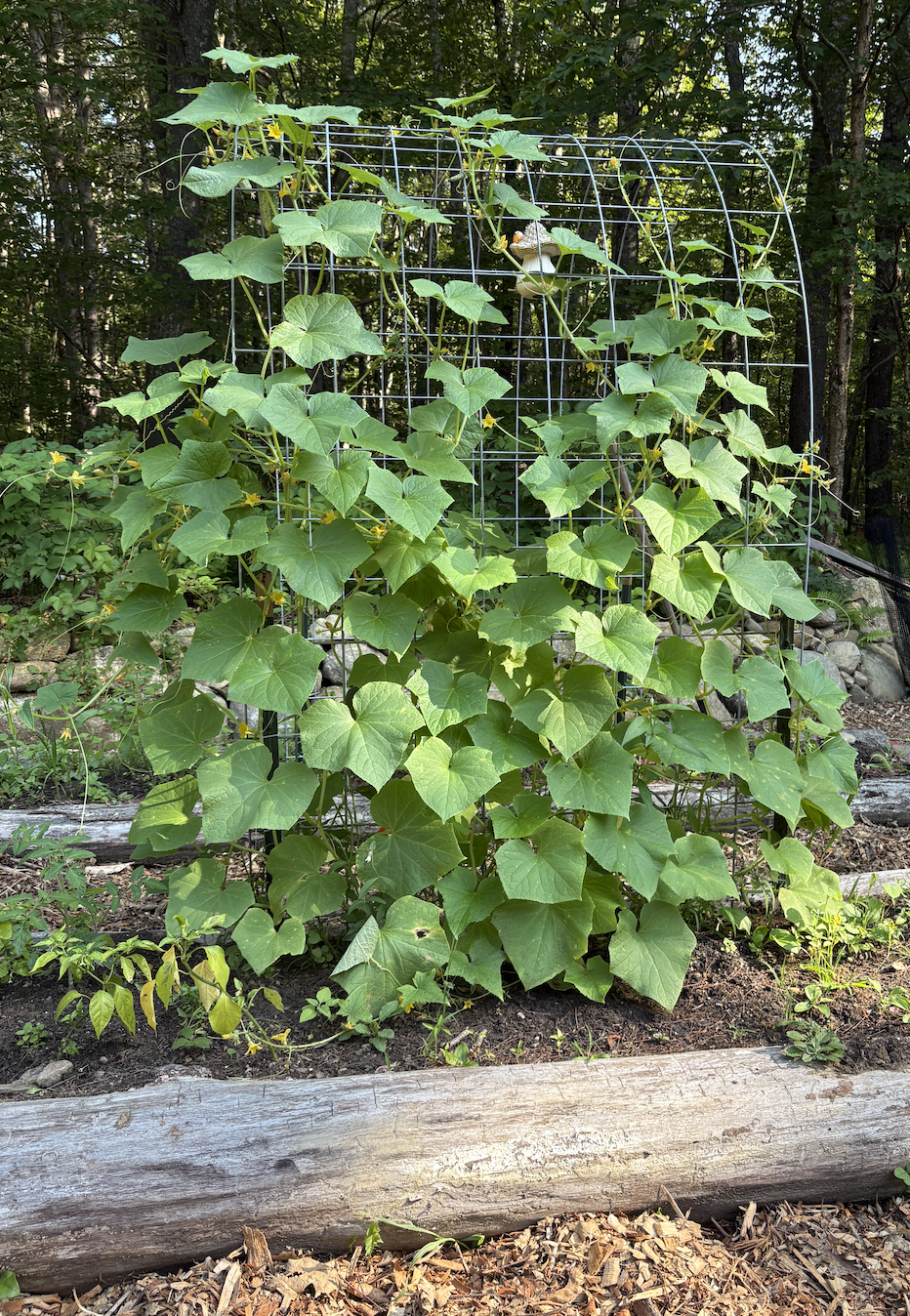

We raise our flock with pine shavings in the coop, which mix with the manure to make fantastic compost after a season. Compost is garden gold—it improves soil structure, adds nutrients, and helps plants hold moisture during hot summers. To give our plants vertical space to grow, we also built the viral cattle panel trellis (from Tractor Supply), anchored with T-posts. It’s simple, sturdy, and perfect for climbing crops like cucumbers, pole beans, melons, and squash.
Our chicken coop? That’s a story in itself. We repurposed an old screen house that was falling apart on the property. From there, we scouted local stores for scrap pallets and wood—always checking for “HT” or “KD” stamps (heat-treated or kiln-dried). We avoid pallets labeled “MB,” since they’ve been treated with chemicals. Some pallets we cut up; others we used whole. Also looking on Facebook Marketplace for other materials. Our nesting boxes are made from old tires. The result isn’t a palace, but it’s safe and keeps our chickens happy—and that’s what matters most.
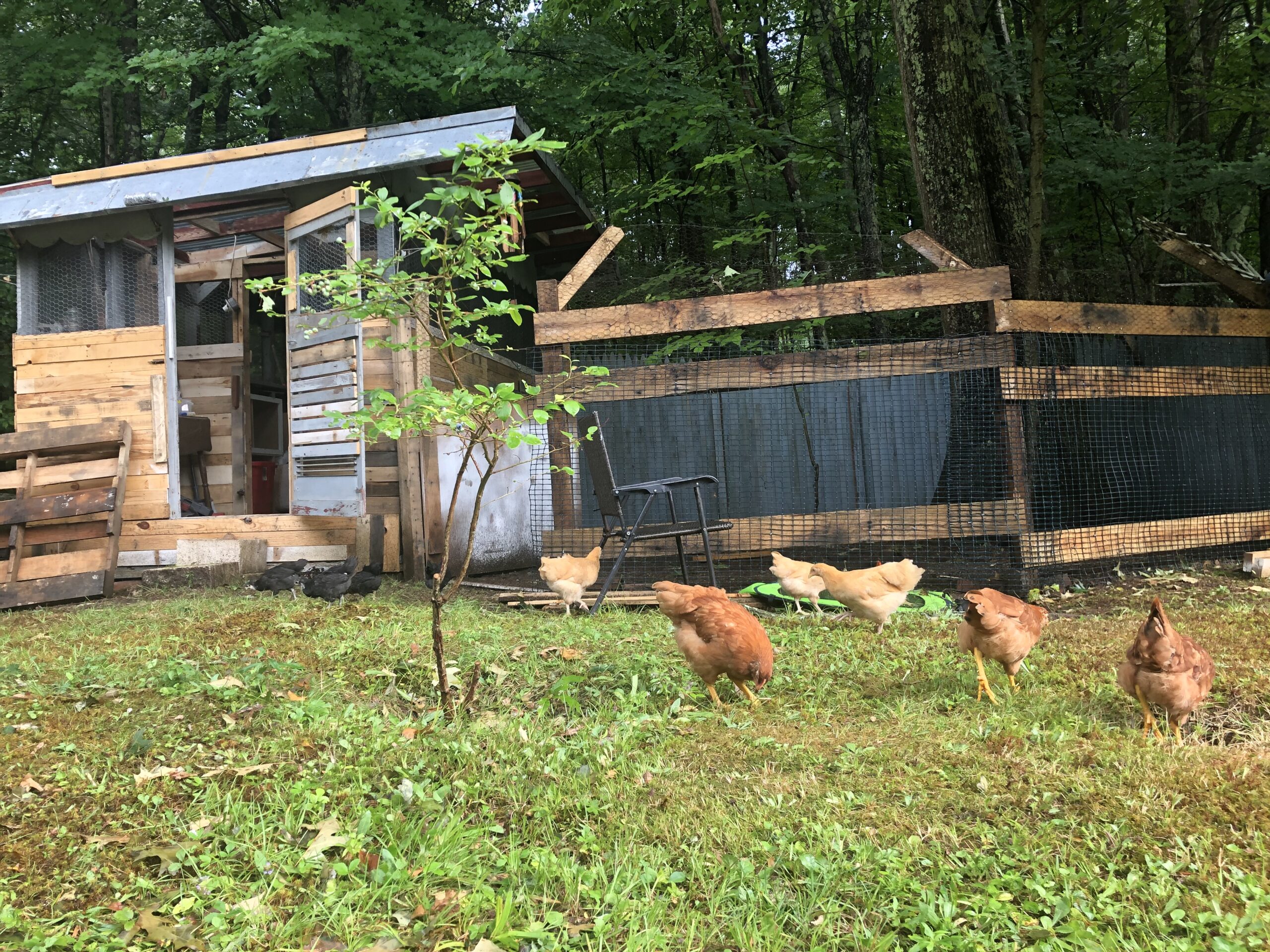
Pro tip: when it comes to chicken coops, chicken wire only keeps chickens in. It doesn’t keep predators out. Use hardware cloth instead 1/4 or1/2 inch—it’s far more effective against crafty raccoons, sly foxes, and even the occasional bear.
Chickens are a cornerstone of homesteading, providing eggs, compost, and plenty of personality. And like most parts of homesteading, keeping them safe and healthy just takes a bit of research, some determination, and maybe a couple of splinters and band-aids along the way.
In the end, homesteading is always worth it. Every project—no matter how humble—builds not just your homestead, but also your sense of independence and connection to the land.
I am not an expert but I do research and learn more everyday. If you have any questions feel free to reach out!
Happy Homesteading!
Morgan
morgan@landstruck.com
Extra garden tips we’ve learned along the way:
-
Layer your soil: Cardboard, sticks, leaves, and compost help create a rich base without buying expensive soil.
-
Plant companions: Pair crops that help each other, like tomatoes with basil or carrots with onions, to reduce pests naturally.
-
Water in the mornings: This helps plants absorb moisture before the heat of the day and reduces mildew.
-
Rotate crops: Avoid planting the same thing in the same spot every year to keep soil healthy. Heavy feeding crops like tomatoes can draw all the nutrients out of the soil.