


True Cost of Buying Raw Land
Understanding the cost of buying raw land can be an exciting first step toward building a home, creating a homestead, establishing a weekend retreat, or simply owning a piece of land.
But there is an important question every buyer should ask before purchasing:
What will this land actually cost me after I buy it?
The purchase price is obviously the biggest expense, but it is rarely the only one.
Depending on the property and your plans for it, you may also need to budget for access improvements, surveying, septic, water, utilities, permits, clearing, construction, and ongoing property expenses.
That doesn’t mean these additional costs should discourage you from buying rural land. It simply means that understanding the true cost of buying raw land can help you choose a property that fits both your dreams and your budget.
The Purchase Price Is Only the Beginning
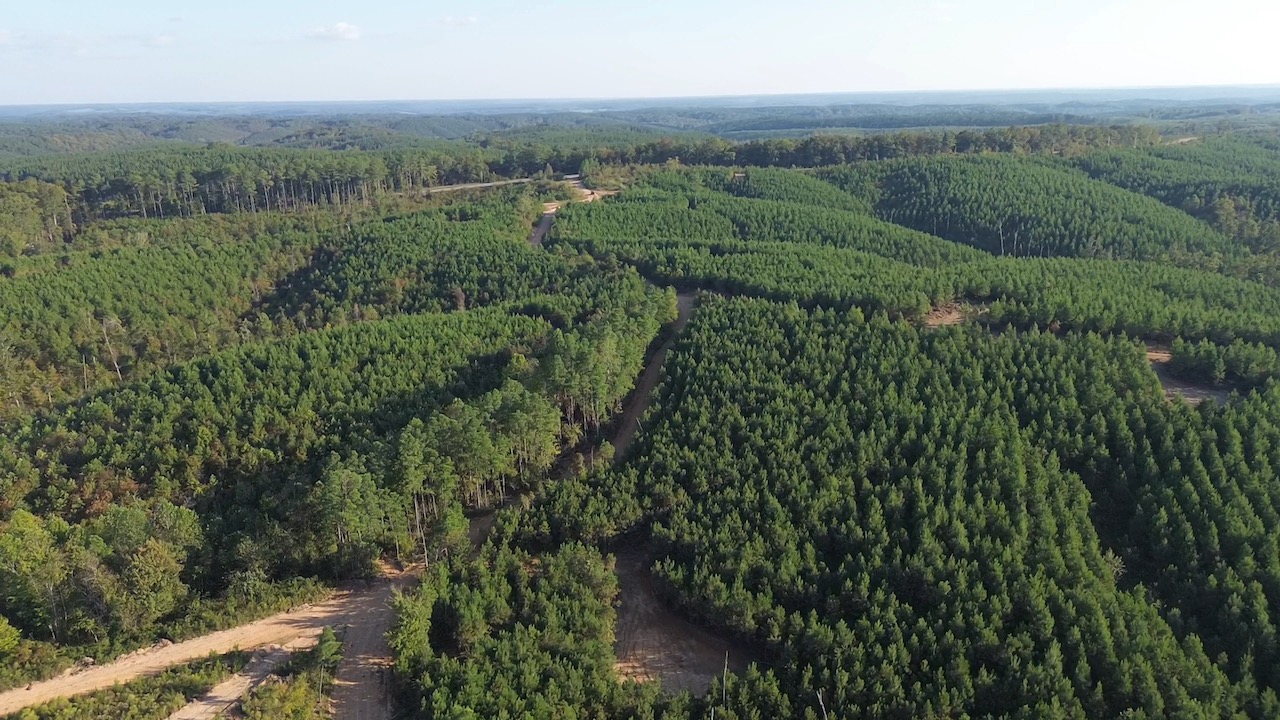
A $40,000 property isn’t necessarily a $40,000 project.
The amount you pay for the land itself is only one part of the financial equation.
The rest depends largely on what you want to do with the property.
Someone purchasing 10 acres for recreation may have very different expenses from someone planning to build an off-grid homestead.
Before you fall in love with a property, consider what it will take to turn that piece of land into what you actually want it to be.
1. Surveying and Property Boundaries
Even when a property has an existing survey, it’s important to understand exactly what has and hasn’t been surveyed and when the survey was completed.
If a current survey isn’t available, you may decide to have one completed to establish property boundaries, identify easements, locate corners, or better understand the shape and dimensions of the tract.
A survey can be particularly useful if you plan to build, install fencing, establish a driveway, or make improvements close to a property boundary.
Budget consideration: Survey costs vary depending on the property, acreage, terrain, location, and type of survey required.
2. Access and Driveway Improvements
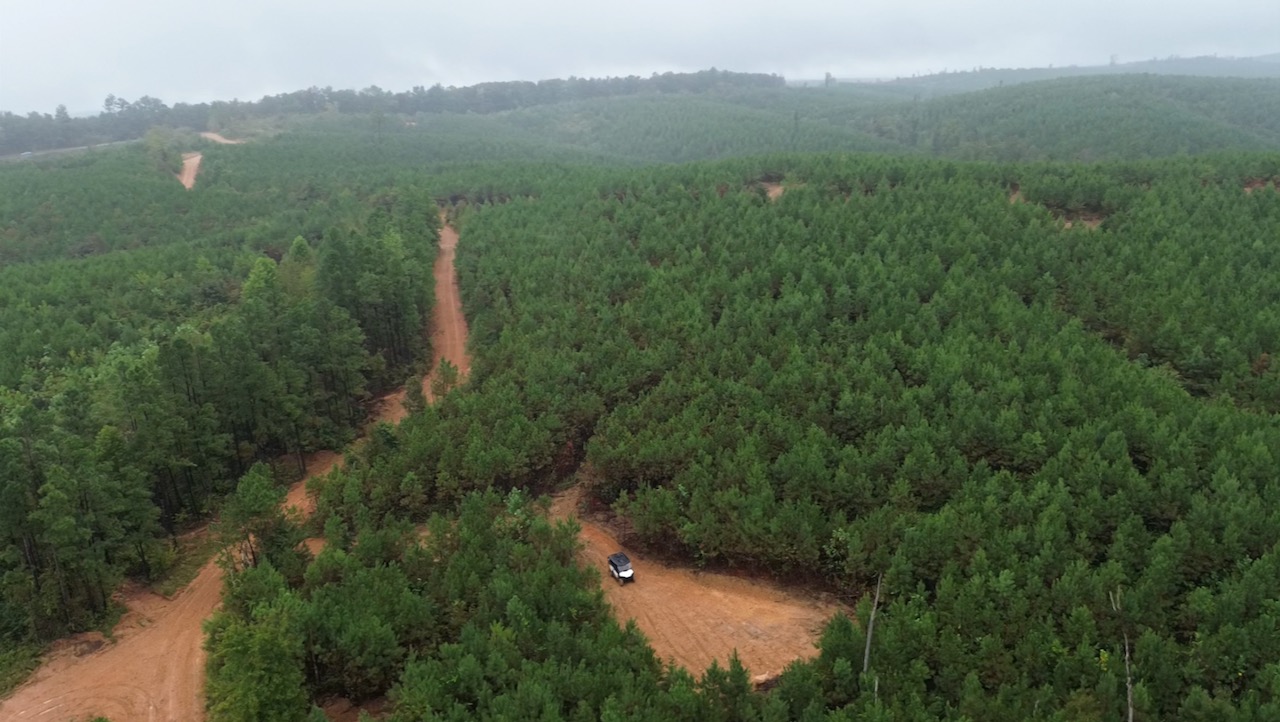
A property may have legal road access without having a driveway that is ready for your truck, trailer, construction equipment, or future home.
Raw land may require some combination of:
- Clearing brush or trees
- Grading
- Gravel
- Culverts
- Drainage improvements
- Creek crossings
- Road maintenance
Terrain can make a significant difference.
A relatively short driveway on level ground may be a much different project than creating access up a steep hillside.
When looking at a property, don’t just ask:
“Does it have road access?”
Ask:
“What will it take to get from the road to the place where I actually want to build?”
3. Septic and Wastewater
If there is no public sewer available, a septic system may be necessary for a residence or other permitted dwelling.
Before purchasing, investigate the applicable county requirements and whether the property has been evaluated for septic suitability.
Costs can include more than the septic system itself.
Depending on the property, you may encounter expenses related to:
- Site evaluation
- Permitting
- Installation
- Tank
- Drain field
- Pump systems
- Excavation
- Alternative septic systems
This is one reason it’s important to research county requirements before purchasing land, rather than assuming every rural property can accommodate the same type of development.
4. Water
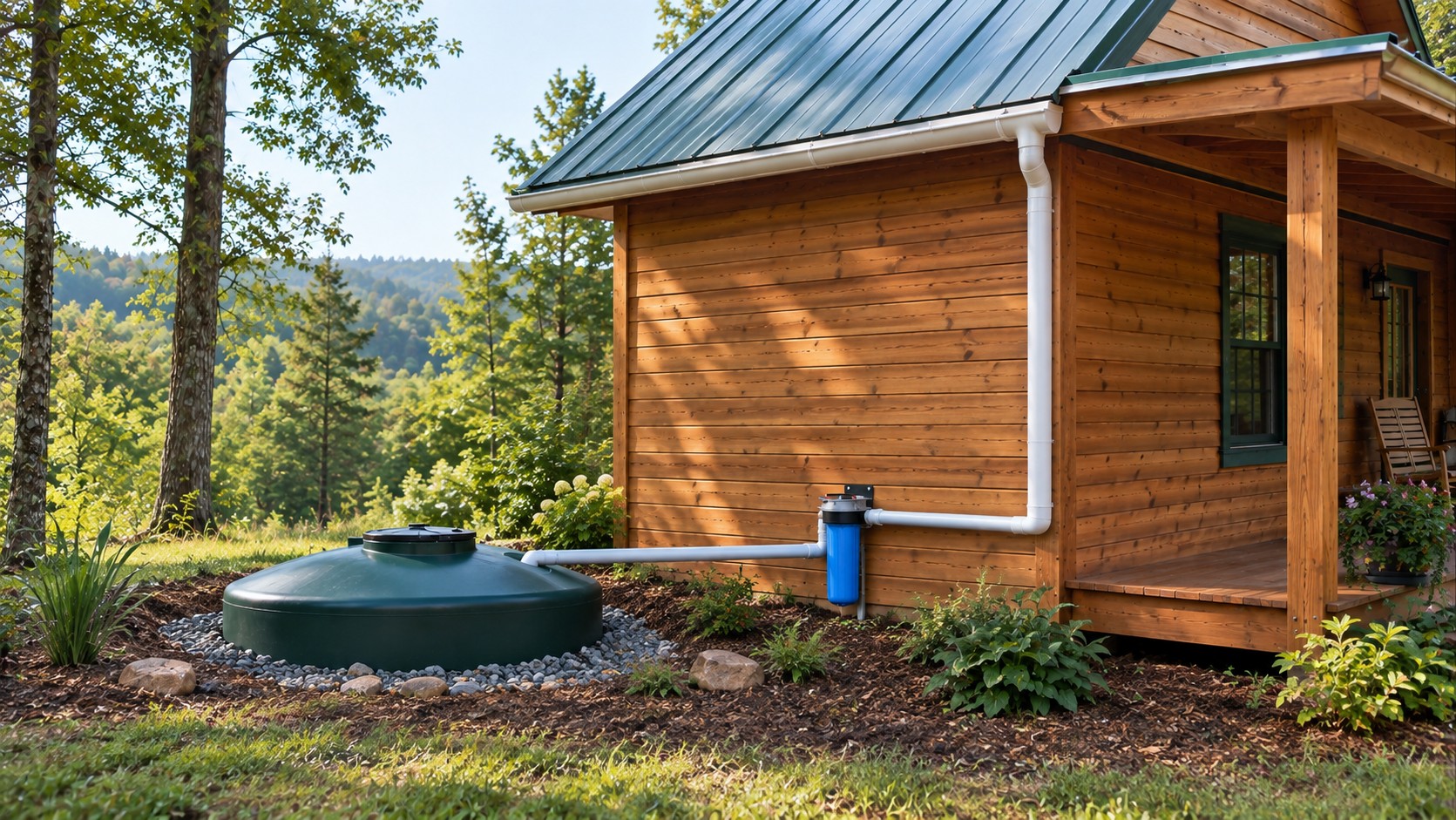
Where will your water come from? (Click here for related article)
Depending on the property and location, possibilities may include:
- Private well
- Shared well
- Public water
- Spring
- Rainwater collection
- Another permitted water source
Each option comes with different installation, equipment, maintenance, and regulatory considerations.
If you’re purchasing land specifically for off-grid living, water should be one of the first things you investigate.
A property without existing water infrastructure isn’t necessarily a bad property.
It simply means that water needs to be part of your project budget.
5. Electricity and Utilities
The presence of electrical poles nearby doesn’t necessarily mean electricity is already connected to the property.
Depending on the location, bringing traditional utility service to a building site may involve connection fees, trenching, poles, transformers, wiring, or other installation costs.
And if you’re planning to live off-grid, you may instead be budgeting for:
- Solar panels
- Batteries
- Inverters
- Generators
- Propane
- Wiring
- Backup systems
The important thing is to distinguish between:
“Utilities are nearby.”
and
“Utilities are already connected.”
Those are two very different things from a budgeting perspective.
6. Clearing and Preparing Your Building Site
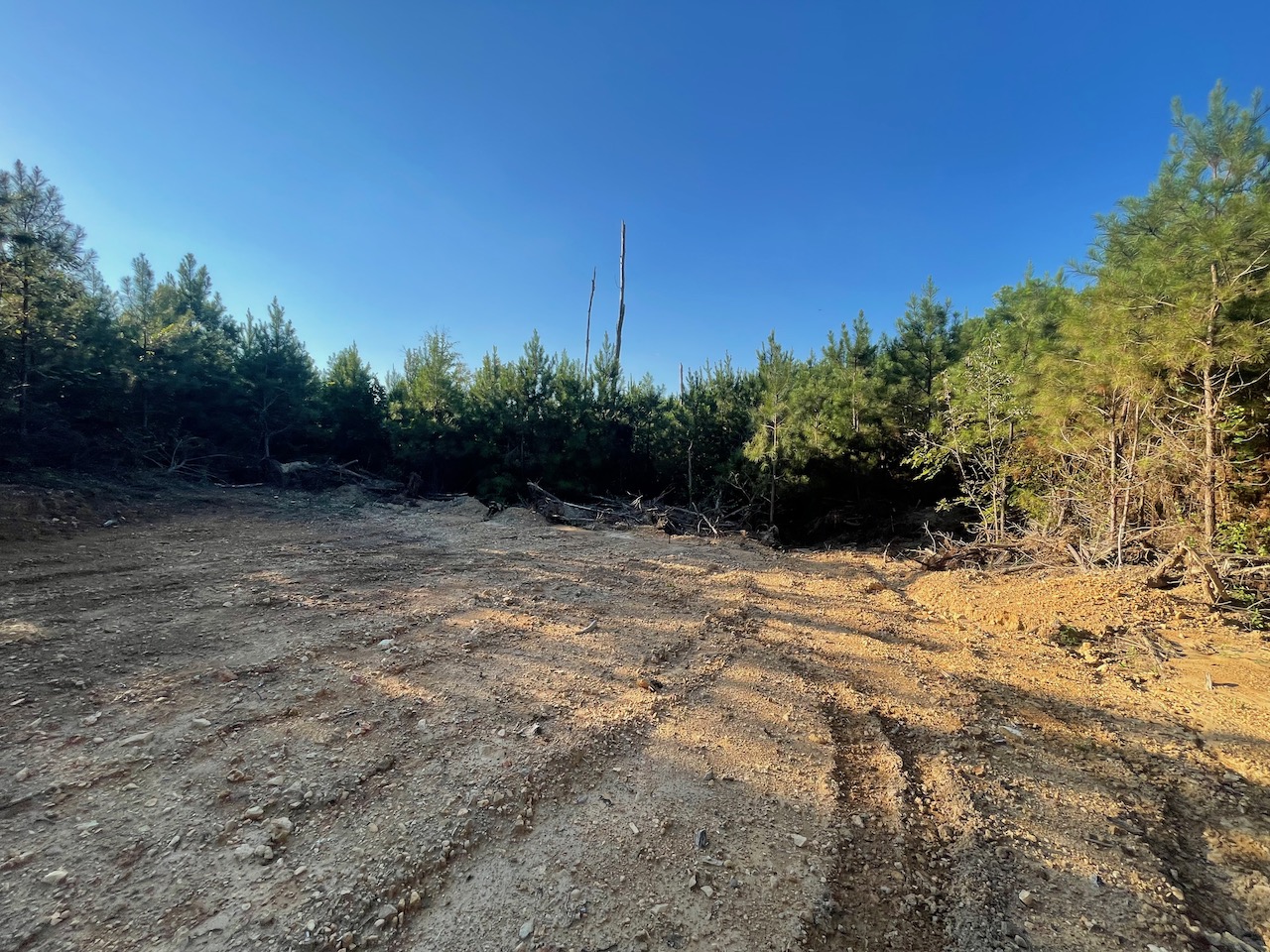
Raw land isn’t necessarily construction-ready land.
You may find the perfect spot for your future home only to discover that it needs trees removed, brush cleared, stumps removed, grading completed, or drainage addressed.
Fortunately, this can also be one of the most rewarding parts of developing raw land.
Many rural property owners intentionally choose land that allows them to gradually improve the property themselves rather than paying for everything upfront.
The key is simply understanding what work will be required.
7. Construction and Outbuildings
WHAT ARE YOU PLANNING TO BUILD?
🏠 Home or cabin
🌱 Garden or greenhouse
🚜 Barn or workshop
🔨 Garage or storage building
🐓 Chicken coop or livestock structures
🌲 Recreation or camping area
Your plans might eventually include all of these things—or none of them.
The point is that your intended use should influence the property you choose.
You don’t necessarily need to build everything immediately.
One of the advantages of owning rural land can be the ability to develop it gradually as your budget allows, subject to applicable county rules and restrictions.
8. Property Taxes
Even if your land sits untouched for years, property taxes don’t stop.
Before purchasing, find out the current property tax amount and understand how the property is assessed.
Taxes can vary by county, property classification, assessed value, and other factors.
It’s a relatively small expense compared with construction or major infrastructure, but it’s still an ongoing cost that belongs in your annual budget.
9. Insurance and Liability
Insurance needs will depend heavily on how you use the property.
Vacant land, a recreational property, a homestead, and a completed residence can all have very different insurance considerations.
If you eventually build a home, workshop, cabin, or other structures, your insurance needs may change as well.
Talk with an insurance professional about your particular property and plans rather than assuming a standard homeowners policy will apply to raw land.
10. The Cost of Doing Things Yourself
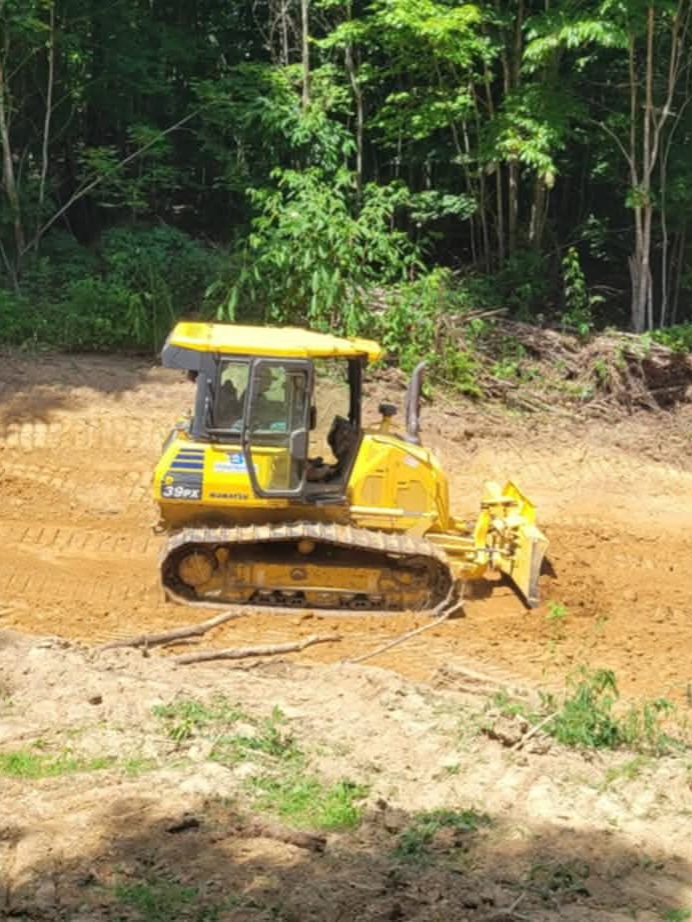
One of the biggest advantages of rural property is the opportunity to do a lot of the work yourself.
But “DIY” doesn’t necessarily mean “free.”
Even if you’re clearing land, building trails, installing fencing, or improving a driveway yourself, you may still need:
- Equipment
- Fuel
- Gravel
- Lumber
- Tools
- Hardware
- Safety equipment
- Rental equipment
Your time has value, too.
A project that costs $2,000 in materials may still require dozens of hours of your labor.
For many landowners, that’s a tradeoff they’re happy to make.
But it’s worth understanding before you start.
💡 BEFORE YOU BUY RAW LAND
Before You Buy: 10 Questions to Ask
☐ What will I use this property for?
☐ Does the property have legal and practical road access?
☐ Where could I realistically build?
☐ Is the terrain suitable for my plans?
☐ What are the septic requirements?
☐ Where will my water come from?
☐ What are my options for electricity?
☐ Are there easements, restrictions, or other limitations I should know about?
☐ What improvements will I need to make immediately?
☐ What will my estimated total investment look like beyond the purchase price?
Don’t just ask whether you can afford the land. Ask whether you can afford the plan you have for the land.
Ready to Buy?
LandStruck acquires and develops rural land for sale and offers owner financing directly to our buyers. Our goal is to make becoming a landowner simple and accessible without requiring traditional bank financing or credit checks.